
sales@aooser.com
13580725992
Since graphene’s groundbreaking isolation by Andre Geim and Konstantin Novoselov in 2004, this single layer of sp²-hybridized carbon atoms has redefined the boundaries of material science. Its counterpart, graphene oxide (GO)—a derivative functionalized with oxygen-containing groups (hydroxyl, epoxy, carboxyl)—has emerged as a complementary material, offering tunable properties for specialized applications. Together, graphene and GO address critical limitations of conventional lithium-ion batteries (LIBs) and next-generation energy storage systems, including low energy density, slow charging rates, poor cycle stability, and safety risks. This article explores their unique properties, diverse applications in batteries, evolutionary development, and future prospects.
Graphene’s strengths lie in conductivity and structural stability, making it ideal for enhancing electron/ion transport and mechanical robustness. GO, by contrast, excels in processability and customization, serving as a versatile precursor for modified materials (e.g., reduced graphene oxide, rGO) or as a functional component in composites.
Applications in Batteries: From Electrodes to separators
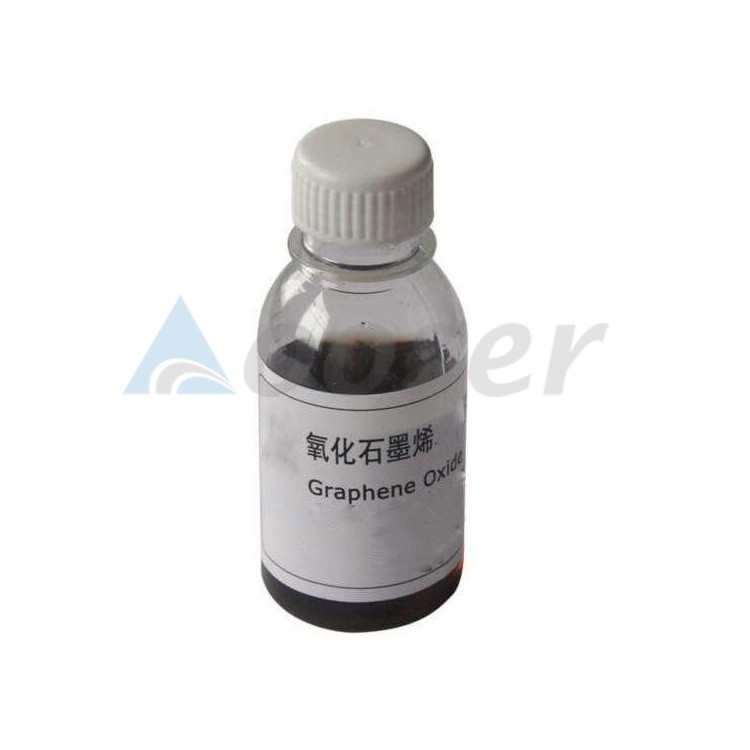
1. Graphene: Boosting Conductivity and Capacity
Anode Enhancements
Conventional LIB anodes rely on graphite (theoretical capacity: 372 mAh/g), which limits energy density. Graphene addresses this in two ways:
Standalone Anodes: 3D graphene aerogels or foams maintain high porosity, enabling Li⁺ ion adsorption/desorption at rates 3–4x faster than graphite. Lab tests show pure graphene anodes achieve capacities of 1000–1500 mAh/g.
Cathode Performance Improvements
Cathodes (e.g., NMC, LFP) are often bottlenecked by low conductivity and slow ion diffusion. Adding 1–5 wt% graphene creates a continuous conductive network, reducing internal resistance by 2–3 orders of magnitude. For LFP cathodes (intrinsic conductivity: ~10⁻¹⁰ S/cm), graphene coatings enable 80% charging in 15 minutes while retaining 92% capacity after 2000 cycles—critical for fast-charging EVs and consumer electronics.
Electrolyte and Separator Modifications
In liquid electrolytes, graphene nanoparticles enhance ionic conductivity by 40% and reduce flammability. For solid-state batteries (SSBs), graphene-doped ceramic electrolytes (e.g., LLZO) improve interfacial contact between electrodes and electrolytes, cutting resistance by 50%. Graphene-coated separators (polyethylene/polypropylene) boost mechanical strength by 30–50%, preventing tearing during cycling and suppressing dendrite growth in lithium-metal batteries (LMBs).
Graphene Oxide: Functionalization and Processability
Binders and Composite Matrices
GO’s oxygen groups form strong hydrogen bonds with electrode materials, making it an effective binder alternative to PVDF (polyvinylidene fluoride), which is costly and environmentally harmful. In hard carbon anodes for sodium-ion batteries (SIBs), GO binders accommodate 10–20% volume expansion, improving cycle stability (90% capacity retention after 1000 cycles vs. 70% for PVDF).
GO coatings on separators enhance electrolyte wettability (contact angle ≤20° vs. ≥45° for unmodified PP) and block polysulfide shuttling in lithium-sulfur (Li-S) batteries. A GO-modified separator in Li-S batteries reduced capacity fade by 30%, enabling 500+ stable cycles with a specific capacity of 1200 mAh/g.
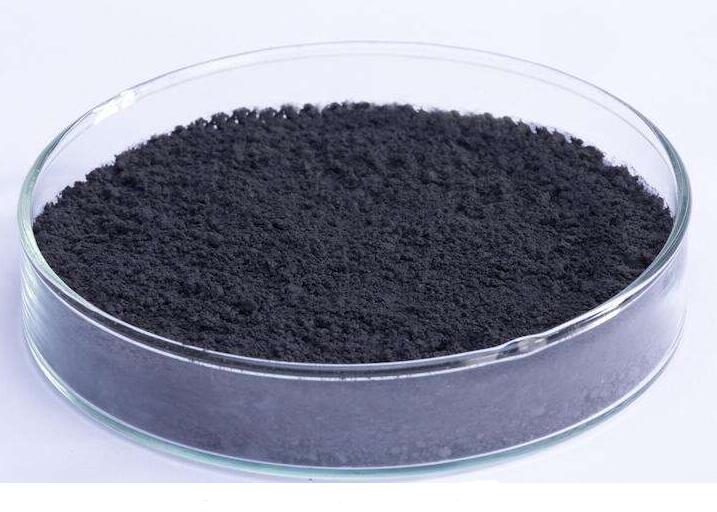
2. Precursor for Reduced Graphene Oxide (rGO)
Thermal or chemical reduction of GO produces rGO, which retains GO’s high surface area while restoring graphene-like conductivity. rGO-sulfur composites are now a leading cathode design for Li-S batteries, addressing sulfur’s low conductivity and polysulfide leakage. rGO also serves as a conductive additive in solid-state electrolytes, enabling SSBs with 400+ Wh/kg energy density.
Evolution and Development Milestones
The journey of graphene and GO in batteries has evolved from lab curiosity to near-commercialization, marked by key milestones:
2004–2010: Foundational Research: Early studies demonstrated graphene’s high capacity and conductivity, while GO’s synthesis via Hummers’ method enabled scalable production. Lab-scale prototypes of graphene-Si anodes and GO-modified separators emerged.
2011–2018: Composite Innovation: Researchers focused on solving aggregation issues (e.g., 3D graphene structures, GO surface modification) and developing rGO-based composites. Companies like Samsung and LG began investing in graphene battery R&D, targeting consumer electronics.
2019–2023: Industrial Pilots: Tesla’s 4680 battery program explored graphene-enhanced cathodes for faster charging. CATL and BYD tested GO-modified separators in EV batteries, improving safety and cycle life. Li-S batteries with rGO-sulfur cathodes entered small-scale production for drones and wearables.
Graphene and GO are poised to drive the next wave of battery innovation, with key trends emerging:
1. Customized Functionalization
Doped graphene (nitrogen, phosphorus, boron) introduces active sites for ion adsorption, boosting capacity (e.g., nitrogen-doped graphene anodes reach 1800 mAh/g). GO-based hybrid materials (e.g., GO-graphene quantum dots) enhance electrolyte conductivity and suppress dendrite growth in LMBs.
2. Next-Gen Battery Systems
Solid-State Batteries: Graphene-doped solid electrolytes will enable SSBs with 500+ Wh/kg energy density, critical for long-range EVs and grid storage.
Sodium-Ion/Potassium-Ion Batteries: rGO-hard carbon composites replace graphite anodes, reducing costs and enabling low-cost stationary storage.
Lithium-Metal Batteries: GO coatings on lithium foil suppress dendrites, making LMBs safe for commercial use.
3. Sustainable Manufacturing
Recycling graphene/GO from spent batteries (via chemical exfoliation) reduces reliance on primary graphite. Green synthesis methods (e.g., using plant extracts to reduce GO) align with circular economy goals.
4. Flexible and Wearable Batteries
Graphene and GO’s mechanical flexibility enable thin, lightweight batteries for smart textiles, foldable devices, and medical wearables. GO-based hydrogel electrolytes offer stretchability (up to 300% strain) and biocompatibility.
Graphene and graphene oxide have transitioned from revolutionary materials to practical enablers of advanced battery technology. Graphene’s unmatched conductivity and structural strength address performance limitations, while GO’s processability and functionalization unlock customization for specialized applications. Together, they are driving innovations in LIBs, Li-S batteries, SSBs, and SIBs—paving the way for higher energy density, faster charging, improved safety, and lower costs.
Contact: Jason Wang
Phone: 13580725992
E-mail: sales@aooser.com
Whatsapp:13580725992
Add: No.429 Guangming Road, Shenzhen City, Guangdong Province
We chat