
sales@aooser.com
13580725992
In the quest for a sustainable, electrified future, the spotlight often falls on end products like electric vehicles and grid-scale energy storage. But the true heroes are frequently the advanced materials working silently at their core. One such unsung hero is Anhydrous Iron(III) Phosphate, or FePO4, particularly when specified at a high purity of 99%. This material is far more than a simple chemical compound; it's a cornerstone of modern lithium-ion battery technology.
What is Anhydrous Iron Phosphate (FePO4)?
Chemically, it's the iron(III) salt of phosphoric acid. The key term here is "anhydrous," meaning it contains no water molecules in its crystal structure. This is crucial for battery applications, as water can degrade electrolyte performance and cause unwanted side reactions.
When we specify 99% purity, we refer to a material with minimal impurities. This high grade ensures consistent, reliable electrochemical performance—vital for manufacturing batteries that are safe, long-lasting, and efficient.
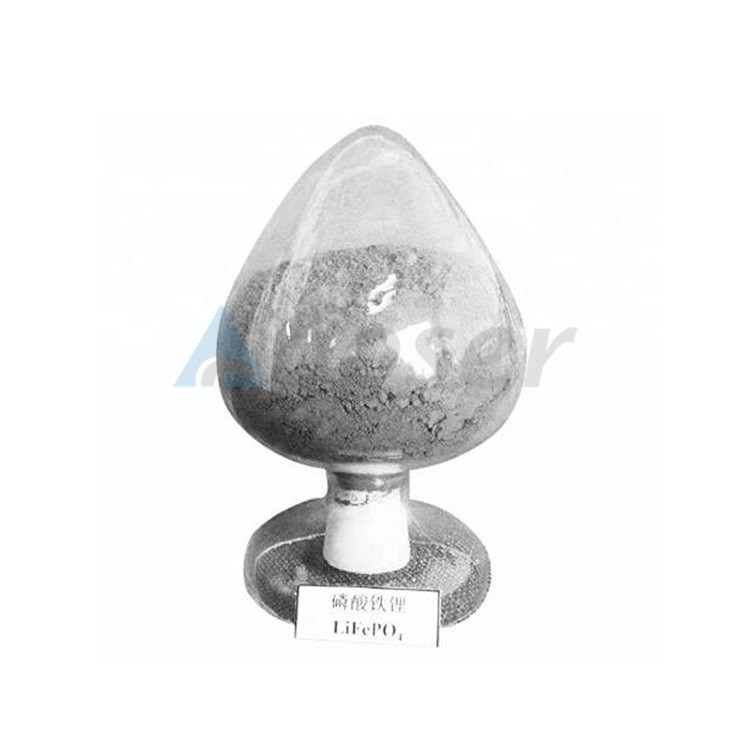
Why is It So Important? The Lithium-Ion Connection
The primary and most significant application of high-purity anhydrous FePO4 is as a precursor for the synthesis of Lithium Iron Phosphate (LiFePO4 or LFP) cathode material.
LFP cathodes have revolutionized segments of the battery industry due to their outstanding safety, long cycle life, and thermal stability. Here’s how anhydrous FePO4 fits in:
Precursor Quality Dictates Cathode Performance: The synthesis of superior LFP requires a high-quality starting material. 99% pure anhydrous FePO4 provides a consistent, clean foundation. Impurities like other metals or moisture can lead to defects in the final LFP crystal structure, compromising battery capacity and longevity.
Synthetic Pathways: High-purity FePO4 is used in several production routes for LFP, including solid-state reactions and hydrothermal/solvothermal methods. Its precise stoichiometry and purity allow for better control over the final product's morphology and electrochemical properties.
Direct Cathode Material? While research is ongoing, certain forms of anhydrous FePO4 itself can also be used as a cathode material in lithium-ion batteries, undergoing a conversion reaction. However, its most established and scalable role remains as the essential precursor to LFP.
Key Properties of Anhydrous FePO4 (99%)
High Purity (99%): Minimizes electrochemical side reactions, ensures batch-to-battery consistency.
Thermal Stability: Contributes to the excellent thermal and safety profile of the resulting LFP batteries.
Olivenite Crystal Structure: Provides a stable framework that facilitates lithium-ion diffusion in the final LFP product.
Low-Cost and Abundant: Iron and phosphorus are earth-abundant elements, making FePO4 a cost-effective and supply-chain-resilient material compared to cobalt-based alternatives.
Beyond Batteries: Other Applications
While battery tech is its flagship application, anhydrous FePO4 also finds use in:
Catalysis: As a catalyst or catalyst support in certain chemical reactions.
Ceramics and Glass: As a coloring agent or for enhancing specific properties.
Precursor for Other Materials: Used in synthesizing other iron phosphates for diverse applications.
The Future is Powered by Purity
As the global demand for LFP batteries continues to surge—driven by EVs, energy storage systems, and consumer electronics—the demand for high-quality precursors like 99% pure anhydrous iron(III) phosphate will only grow. Its role is fundamental: it enables the production of the safe, durable, and powerful batteries that are powering our transition to clean energy.
In conclusion, anhydrous FePO4 is not just a chemical; it's a critical enabler. By investing in and understanding high-purity starting materials like this, we build a more reliable and sustainable foundation for the entire energy revolution.
Contact: Jason Wang
Phone: 13580725992
E-mail: sales@aooser.com
Whatsapp:13580725992
Add: No.429 Guangming Road, Shenzhen City, Guangdong Province
We chat