
sales@aooser.com
13580725992
1. What are battery materials?
Battery materials are the key substances that constitute the core structure of a battery. According to their functions, they can be classified into four major core systems:
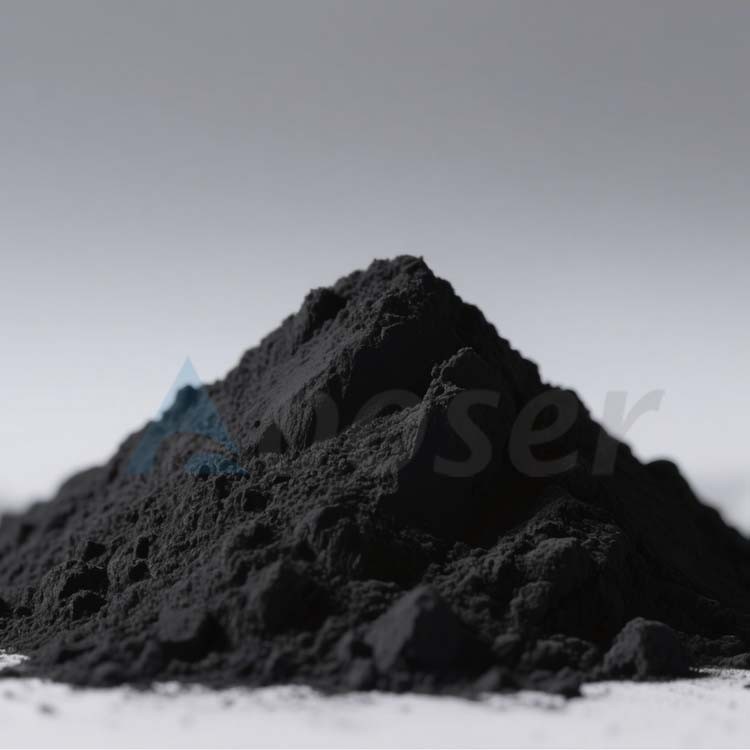
Positive electrode materials: The "power core" for the battery's energy output, the mainstream types include ternary materials (NCM/NCA), lithium iron phosphate (LFP), and lithium cobalt oxide (LCO), which determine the battery's energy density and voltage platform;
Negative electrode materials: The "carrier" for lithium ion storage and release, covering graphite-based, silicon-carbon-based, and metal lithium-based types, which directly affect the battery's cycle life and fast charging performance;
Electrolyte: The "bridge" for ion transmission, divided into liquid, semi-solid, and all-solid types, its stability and electrical conductivity determine the battery's safety and charging and discharging efficiency;
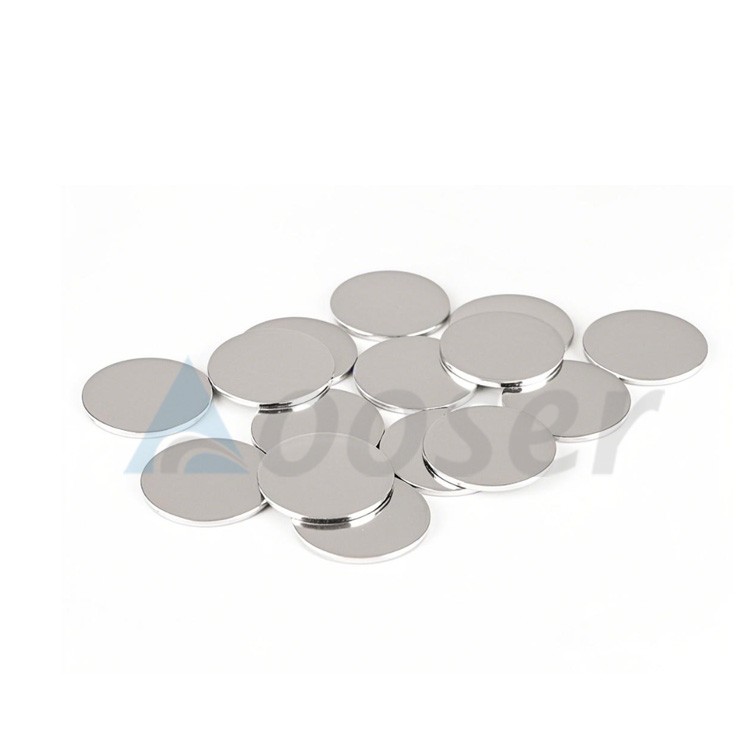
separator: The "safety barrier" that isolates the positive and negative electrodes, needing to have both ion permeability and mechanical strength to prevent short-circuit risks.
These materials work together to achieve the storage and conversion of electrical energy, and are the core basic materials in fields such as new energy vehicles, consumer electronics, and energy storage stations.
2. The core role and scenario-based manifestations of battery materials
(1) Positive electrode materials: The "determiner" of energy density
Core role: Through redox reactions to achieve lithium ion insertion / removal, directly determining the battery's energy density, cycle life, and safety performance.
(2) Negative electrode materials: The "key support" for cycle life and fast charging
Core role: Providing lithium ion insertion sites, whose specific capacity and structural stability directly affect the battery's charging and discharging speed and service life.
3. Frequently Asked Questions (FAQ) for Customers
Q: How to choose between silicon-carbon negative electrode and traditional graphite negative electrode?
A: For high-capacity scenarios (such as flagship phones, long-range electric vehicles), choose the silicon-carbon negative electrode (specific capacity ≥ 480mAh/g, energy improvement by 40%); for cost and stability considerations (such as energy storage stations, entry-level electric vehicles), choose the graphite negative electrode (cycle life ≥ 3000 times, cost 30% lower).
Q: Why does the purity of the electrolyte have such a significant impact on the lifespan of the battery?
A: If the moisture content in the electrolyte exceeds 20 ppm (above this level), it will generate HF, which will corrode the electrode and destroy the SEI membrane, causing the battery's capacity to decline at a rate that is three times faster; metallic impurities (such as Fe and Cu) will catalyze the decomposition of the electrolyte and trigger the risk of internal short circuit.
Q: When will solid-state battery materials be widely applied?
A: Semi-solid batteries have already achieved mass production (vivo and Xiaomi flagship models will adopt them in Q3 2026), with an energy density of 847Wh/L, and they do not catch fire even when punctured; full solid-state batteries are expected to be launched in domestic flagship models in Q4 2026, and will be released in the thousand-yuan market in 2027.
Q: What are the safety differences between lithium iron phosphate and ternary materials?
A: The thermal decomposition temperature of lithium iron phosphate is over 200℃, and there is no flame during puncture tests. For ternary materials (NCM811), the thermal decomposition temperature is approximately 150℃. Their safety needs to be improved through coating modification, but their energy density is 20-30% higher than that of lithium iron phosphate.
Contact: Jason Wang
Phone: 13580725992
E-mail: sales@aooser.com
Whatsapp:13580725992
Add: No.429 Guangming Road, Shenzhen City, Guangdong Province
We chat