
sales@aooser.com
13580725992
Global demand for lithium-ion battery binders—specialized polymers that hold active materials together within battery electrodes—is surging as electric vehicle adoption accelerates and energy storage systems expand worldwide.
According to a March 2026 report from QYResearch, the global binder for lithium-ion batteries market was valued at US 2,918millionin2025andisprojectedtoreachUS 5,598 million by 2032, representing a compound annual growth rate (CAGR) of 9.9%. More bullish projections from other analysts peg the market at approximately US 3.8billionin2025,potentiallyreachingUS 19.1 billion by 2034 at a CAGR of 19.7%. While estimates vary, the consensus points to robust long-term growth driven by massive expansion in battery production and continuous R&D into novel binder chemistries.
Material Landscape: PVDF Remains Dominant, Water-Based Binders Gain Traction
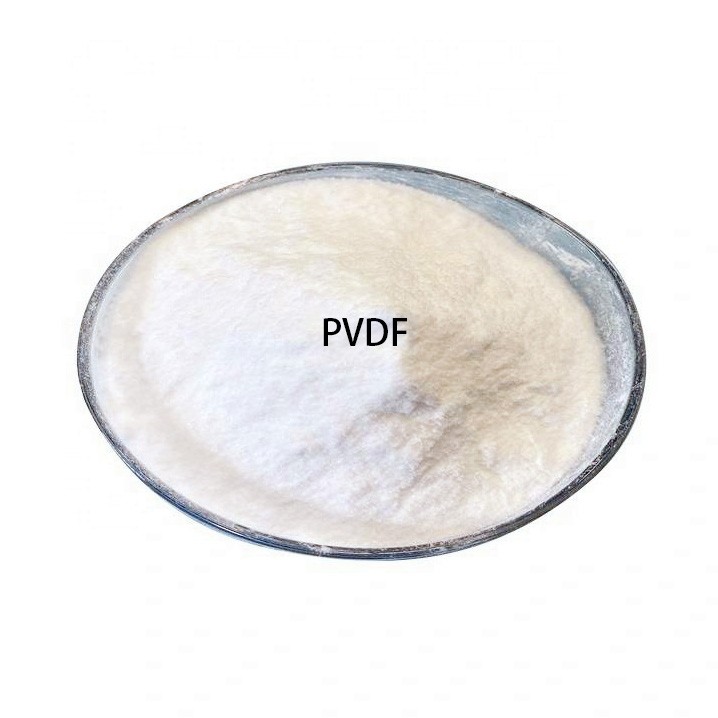
Polyvinylidene fluoride (PVDF) remains the industry standard for cathode binders due to its exceptional chemical stability and electrochemical resistance. The global PVDF binders for lithium battery cathode market was valued at US$ 522 million in 2025, with sales volume reaching 63,260 tons, and is forecast to grow at a CAGR of 18.2% through 2034. Major players in this segment include Arkema, Kureha, Syensqo and China’s Sinochem Lantian, which is ramping up production with a 15,000-ton annual capacity PVDF expansion project.
Meanwhile, environmental regulations and sustainability mandates are accelerating the shift toward water-based binder systems. The combination of styrene-butadiene rubber (SBR) and sodium carboxymethyl cellulose (CMC) has become a well-established aqueous-processed binder system for graphite anodes. Zeon Corporation—a pioneer in the binder space that began supplying aqueous SBR binders in 1995—remains a key player despite recently freezing its Texas production line investment in response to changing market conditions. Zeon also won an intellectual property infringement case in Shenzhen in May 2025, underscoring the high-value nature of binder IP.
Technical Breakthroughs Unlock Next-Generation Battery Chemistries
The critical challenge of silicon anode volume expansion is driving intense binder innovation. A study published in April 2026 revealed that an optimized CMC:SBR ratio of 7:3 yields a unique three-dimensional network that synergistically integrates mechanical robustness with elastic deformability. The optimized silicon anode delivered an outstanding initial coulombic efficiency of 91.99% and retained 1875.3 mAh g⁻¹ after 200 cycles.
Other promising approaches include spider web-inspired polymer binders with energy-dissipating capabilities that achieve only 0.042% capacity loss per cycle over 350 cycles, and tannic acid-crosslinked 3D zwitterionic copolymer binders that maintain approximately 700 mAh g⁻¹ after 200 cycles.
Emerging battery chemistries are also demanding specialized binders. In lithium-sulfur batteries, researchers have developed a multifunctional poly(amic acid)-dextrin copolymer binder with a three-dimensional hydrogen-bonded network that immobilizes polysulfides and accelerates redox kinetics, delivering 590 mAh g⁻¹ after 100 cycles.
Industry Landscape: Asia Dominates, Sustainability Takes Center Stage
China is the world's largest market for lithium-ion battery binders, accounting for approximately 73% of global consumption, followed by Japan at 15% and Europe at 5%. Key industry players include Kureha, ZEON, Arkema, Solvay, JSR Corporation, and BASF.
At Interbattery 2026 in Seoul, Arkema showcased its expanded Kynar® PVDF family with new grades (HSV 1200 and HSV 1400) featuring improved adhesion and lower binder loading, along with Incellion™ waterborne binders for silicon anodes and dry-process-capable PVDF formulations that support solvent-free electrode manufacturing. The company has been supplying PVDF binders for lithium-ion batteries since 2007, with its products powering more than 10 million electric vehicles worldwide.
Future Outlook
Looking ahead, the lithium-ion battery binder market is expected to be shaped by several key trends: growing demand for silicon-compatible binders, expansion of water-based and fluorine-free systems, integration with dry electrode manufacturing processes, localized production to support regional battery ecosystems, and the emergence of bio-based recyclable binders aligned with circular economy mandates. As battery technology advances toward higher energy densities, faster charging capabilities, and greater sustainability, binder innovations will play an increasingly foundational role in enabling next-generation energy storage systems.
Contact: Jason Wang
Phone: 13580725992
E-mail: sales@aooser.com
Whatsapp:13580725992
Add: No.429 Guangming Road, Shenzhen City, Guangdong Province
We chat